
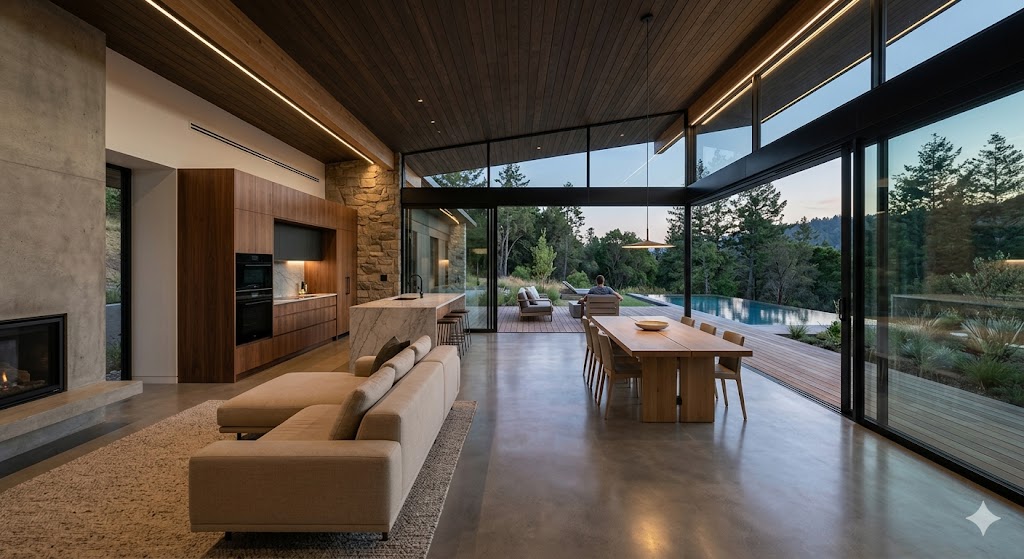
A seamless aesthetic happens when architecture and interior design are planned together from the start, not treated as separate steps. It means structure, layout, materials, lighting, and décor all work as one cohesive system. In Hinesville, GA, this approach leads to homes that feel balanced, functional, and visually consistent from entry to every corner.
What Does “Seamless Aesthetic” Really Mean in Home Design?
A seamless aesthetic means every design element feels connected, with no visual or functional breaks between the structure and the interiors. Walls, ceilings, finishes, and furnishings all follow a shared design direction. The result is a home that feels intentional rather than pieced together.
This goes beyond matching colors or styles. True cohesion starts with architectural decisions such as ceiling height, window placement, and room flow. Interiors then build on that foundation using materials, textures, and lighting that align with those structural choices.
In many homes across Hinesville, GA, the lack of early coordination leads to mismatched finishes or awkward transitions. A seamless approach avoids that by aligning both disciplines from day one.
Why Should Architecture and Interior Design Be Planned Together?
When architecture and interiors are planned together, the home functions better and looks more refined. Layout decisions support furniture placement, lighting enhances architectural features, and materials feel consistent across spaces. This reduces costly redesigns and last-minute compromises.
Separating the two often leads to common issues like poorly placed outlets, lighting that clashes with the ceiling design, or furniture that does not fit the scale of the room. These problems are not just aesthetic. They affect daily comfort and usability.
In Hinesville, GA, where homeowners often seek both comfort and long-term value, integrated planning ensures the home meets both goals without rework.
How Do You Create a Unified Design Vision Before Construction?
A unified design vision starts with a clear direction on style, lifestyle needs, and long-term goals. This includes defining how each space will be used, how people move through the home, and what atmosphere each area should create. These decisions guide both architectural layouts and interior selections.
Mood boards, material palettes, and concept sketches help translate ideas into a visual plan. This stage is where designers align structural features with interior elements. For example, if the goal is a warm, modern home, the architecture may include open spaces and clean lines, while interiors add layered textures and soft lighting.
Skipping this step often leads to confusion during construction. In Hinesville, GA, homes designed with a clear vision from the start tend to feel more polished and easier to maintain over time.
How Does Layout Planning Influence Interior Design Success?
Layout is the foundation that determines how well interiors will function. Room proportions, circulation paths, and spatial relationships directly affect furniture placement, storage, and lighting design. A well-planned layout reduces the need for forced design solutions later.
For example, an open floor plan should still define zones for living, dining, and kitchen areas. This can be done through ceiling treatments, flooring changes, or subtle architectural elements. Without this planning, spaces can feel undefined and cluttered.
In Hinesville, GA homes, thoughtful layouts often include flexible spaces that adapt over time. This adds long-term value and keeps the design relevant as needs change.
What Role Do Materials and Finishes Play in Cohesion?
Materials and finishes create visual continuity across the home. Using a consistent palette of woods, metals, stones, and fabrics helps tie different spaces together. This does not mean everything must match. It means materials should complement each other.
A common mistake is mixing too many finishes without a clear plan. This can make the home feel disjointed. Instead, choose a core set of materials and repeat them in different ways throughout the home. For instance, the same wood tone can appear in flooring, cabinetry, and furniture accents.
Homes in Hinesville, GA, that use a controlled material palette tend to look more refined and easier to style over time.
How Can Lighting Bridge Architecture and Interiors?
Lighting connects structure and interior design by highlighting architectural features while supporting daily activities. It shapes how spaces feel at different times of the day and adds depth to the overall design.
There are three main layers to consider. Ambient lighting provides general illumination. Task lighting supports specific activities like cooking or reading. Accent lighting highlights features such as textured walls or ceiling details.
Poor lighting planning is one of the most common issues in home design. It often leads to dark corners or overly bright areas that feel uncomfortable. In Hinesville, GA, homes that integrate lighting into early design stages achieve a more balanced and functional environment.
How Do You Maintain Consistency Without Making Spaces Look Repetitive?
Consistency does not mean repetition. It means creating a common thread while allowing each space to have its own identity. This can be done through variations in color intensity, texture, or furniture style while keeping the overall palette aligned.
For example, a home may use neutral tones throughout but introduce subtle variations in each room. One space might feature warmer accents, while another leans cooler. The key is to maintain harmony without making every room look identical.
In Hinesville, GA, homeowners often prefer spaces that feel connected but still unique. This balance keeps the home interesting without breaking the overall design flow.
What Are the Most Common Mistakes to Avoid?
One common mistake is treating architecture and interiors as separate projects. This leads to mismatched styles and functional issues. Another issue is overdesigning, where too many elements compete for attention, making the space feel cluttered.
Ignoring scale and proportion is another problem. Large furniture in small rooms or low ceilings with heavy fixtures can disrupt the visual balance. Also, choosing trendy elements without considering long-term appeal often results in a design that feels outdated quickly.
In Hinesville, GA, avoiding these mistakes helps homeowners create spaces that remain timeless and practical.
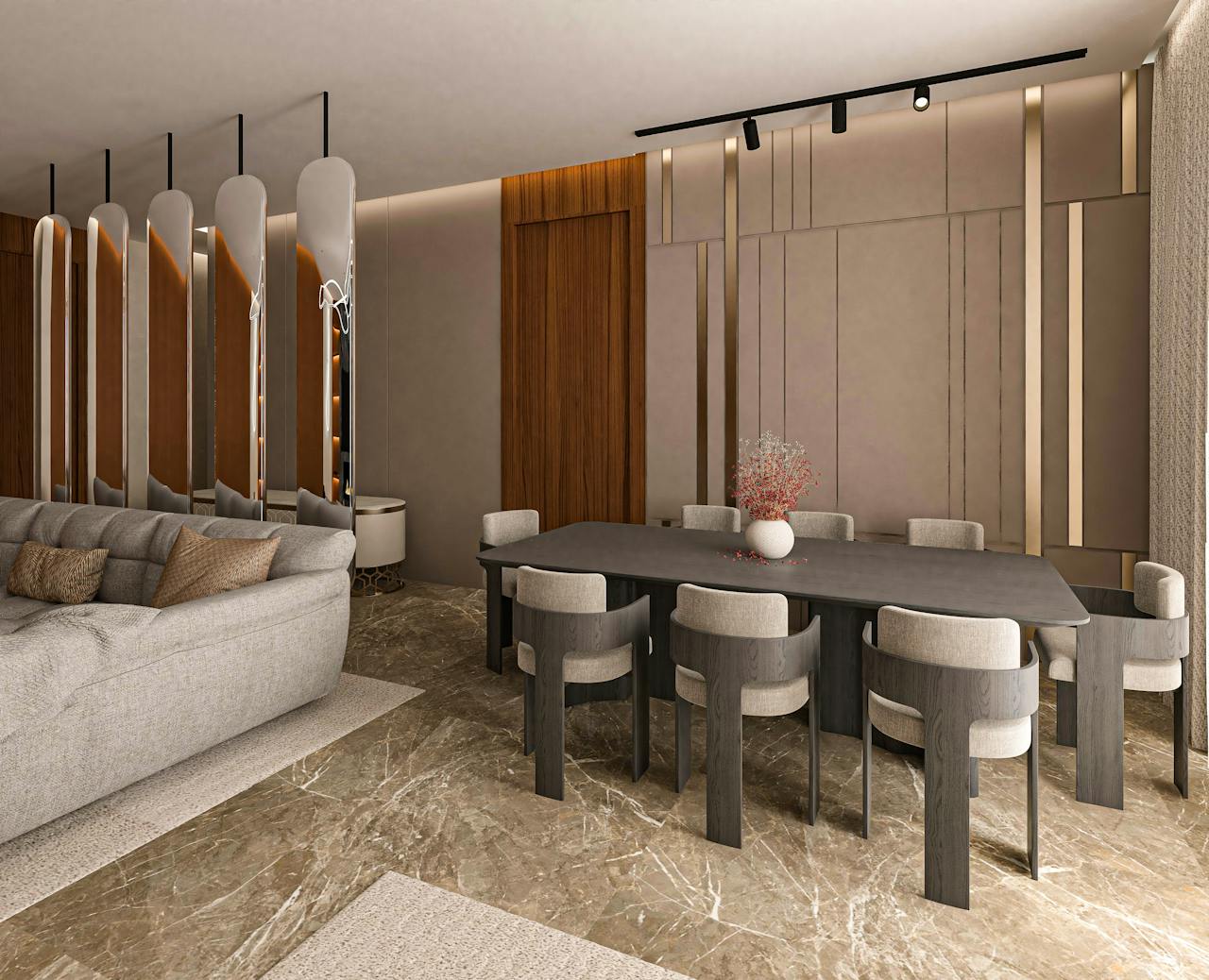
How Does Custom Design Improve Overall Cohesion?
Custom design allows every detail to be tailored to the home’s architecture and the homeowner’s lifestyle. Built-in furniture, custom cabinetry, and unique architectural features can be designed to work together from the start.
This level of detail ensures that nothing feels out of place. It also improves functionality, as each element is designed with a purpose. Custom solutions often address specific needs that standard options cannot.
Homes in Hinesville, GA, that incorporate custom design tend to feel more refined and better suited to the people living in them.
Why Is Professional Collaboration Important for Seamless Results?
Collaboration between architects, interior designers, and builders ensures that every detail is aligned. Each professional brings a different perspective, and working together helps avoid conflicts during construction.
Clear communication is key. Design plans, material selections, and timelines must be shared and updated regularly. This reduces errors and keeps the project on track.
In Hinesville, GA, projects that involve strong collaboration often achieve higher quality results and fewer delays.
FAQs
How early should interior design be involved in a project?
Interior design should be involved at the same time as architectural planning. Early involvement ensures layout, lighting, and material decisions align from the start, reducing changes later.
Can you achieve a seamless aesthetic in an existing home?
Yes, but it may require structural adjustments and careful material selection. Updating finishes, improving lighting, and refining layouts can help create better cohesion.
What design style works best for a seamless look?
Any style can work if applied consistently. The key is maintaining a unified palette, scale, and material selection across the home.
Is custom design worth the investment?
Custom design often leads to better functionality and long-term value. It ensures the home fits specific needs and maintains a cohesive look.
How long does it take to achieve a fully cohesive design?
A cohesive design typically takes longer than a standard project because both architecture and interiors are developed together. Timelines vary based on project size, but proper planning early on often reduces delays during the construction and finishing stages.
Conclusion
Blending architecture and interior design creates a home that feels complete, functional, and visually consistent. In Hinesville, GA, this approach helps homeowners achieve lasting comfort and refined design without constant updates or fixes.
Work with The Haven and Hue to bring your vision to life. You get a team that designs and builds cohesive, custom spaces where every detail aligns with your lifestyle and aesthetic goals. Schedule a consultation today.